IGNOU’s Role in Empowering Rural Students
IGNOU’s Role in Empowering Rural Students: Bridging the Education Gap Introduction
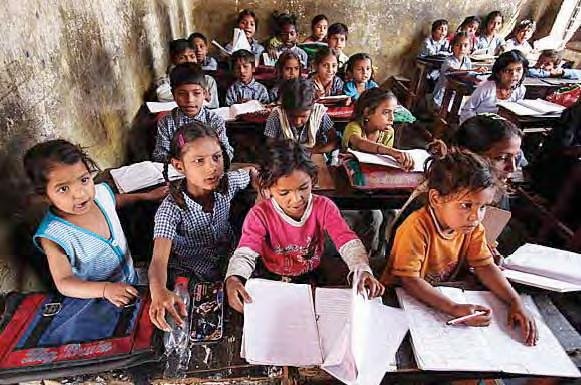
Education is one of the most powerful tools for empowering individuals and transforming societies. However, in many rural areas of India, access to quality education has been a persistent challenge. Geographic isolation, financial constraints, inadequate infrastructure, and the lack of specialized educational institutions have all contributed to the education gap between rural and urban populations. For many rural students, attending a conventional university or college is simply not an option due to these barriers.
This is where Indira Gandhi National Open University (IGNOU) has made a transformative impact. As India’s largest open university, IGNOU offers flexible, accessible, and affordable education that has reached thousands of students across rural India. Through its distance learning model, IGNOU has brought quality education to the doorstep of rural students, empowering them to break free from the limitations imposed by their circumstances. In this blog, we will explore how IGNOU is bridging the education gap for rural students and the role it plays in empowering them.
1. Accessibility to Education in Remote Areas
One of the most significant challenges faced by rural students is the lack of educational institutions within their reach. Many rural areas do not have colleges or universities, or even if they do, they are often poorly equipped with resources and faculty. Students are forced to travel long distances to urban centers, which can be both financially and physically burdensome.
IGNOU’s Open and Distance Learning (ODL) System is a game-changer for such students. By offering distance education through study centers spread across the country, IGNOU ensures that students do not have to leave their homes to pursue higher education. Students can enroll in programs, access study materials online or through postal delivery, attend virtual classrooms, and appear for exams at designated centers near their locality.
This accessibility has opened up educational opportunities for students in remote areas where traditional brick-and-mortar institutions do not exist. Students no longer need to worry about the logistical challenges of attending a university in a distant city, making education more inclusive and equitable.
2. Affordable and Flexible Learning Options
In rural India, many families face financial hardships, and the cost of education is often a significant barrier. The tuition fees for traditional universities or private
institutions can be prohibitively expensive for rural families, especially when they also need to bear the costs of accommodation, travel, and other living expenses.
IGNOU provides an affordable alternative. Its fee structure is significantly lower than most traditional universities. Additionally, IGNOU offers a variety of scholarships and financial aid options to ensure that students from disadvantaged backgrounds can continue their studies without the burden of financial stress.
Moreover, flexibility in learning is another reason why IGNOU has gained immense popularity in rural areas. The university offers a wide array of undergraduate, postgraduate, diploma, and certificate programs in multiple disciplines. Rural students can choose from flexible study schedules that suit their personal and professional commitments. Whether they are working part-time, taking care of family responsibilities, or living in a village far from educational hubs, IGNOU’s flexible model accommodates their needs.
3. Empowering Women in Rural India
Women in rural India often face additional challenges in accessing education due to social, cultural, and economic factors. In many cases, the societal expectations surrounding women's roles at home and the lack of educational facilities nearby make it harder for them to continue their studies.
IGNOU’s model has played a crucial role in empowering women, providing them with an opportunity to pursue education while managing domestic responsibilities. The flexible learning system of IGNOU allows women to study from home, attend online lectures, and complete assignments at their own pace. This is particularly beneficial for women in rural areas who have limited mobility and are restricted by traditional gender roles.
Furthermore, IGNOU offers various programs specifically designed to support women’s education, such as women's studies programs, health and family welfare courses, and vocational training. These programs not only provide academic knowledge but also equip women with skills that enhance their employability and improve their quality of life.
4. Localized Support Through Study Centers
To ensure that rural students have access to the necessary support throughout their educational journey, IGNOU has established a network of study centers across the country. These centers serve as regional hubs where students can meet with academic counselors, attend workshops, and participate in interactive sessions.
IGNOU’s study centers are designed to support students by providing guidance and mentoring, especially in rural and underserved areas. These centers act as a bridge
between the university and the students, ensuring that they can access the resources they need to succeed. Additionally, students can also interact with other learners in their local community, creating a sense of belonging and support.
Furthermore, community engagement programs organized by IGNOU study centers help rural students stay connected with local development initiatives and improve their practical knowledge. These community-driven programs have been crucial in fostering an environment of collaborative learning and knowledge-sharing.
5. Vocational Training and Skill Development
In rural India, education is often viewed in terms of its ability to enhance employability. Many rural students are looking for education that will help them secure jobs or start their own businesses. While traditional academic education is important, vocational training and skill development are critical in improving the livelihoods of rural students.
IGNOU offers a wide range of vocational education programs and skill development courses that cater to the specific needs of rural students. These programs are designed to teach practical skills that are in demand in the job market. Some examples include courses in agriculture, health care, information technology, tourism, and entrepreneurship. By equipping students with practical, marketable skills, IGNOU is helping rural students gain the confidence and competence they need to succeed in the workforce.
6. Bridging the Digital Divide
While rural areas in India face several challenges, one of the most significant barriers to education today is the digital divide. The rapid shift to online education has made access to the internet and digital literacy essential. Unfortunately, many rural students lack the necessary infrastructure or skills to navigate online platforms.
IGNOU has made efforts to bridge this gap by providing digital learning materials, including online study guides, recorded lectures, and e-resources. Additionally, IGNOU has partnered with various government initiatives to improve internet access in rural areas. The university has also invested in training programs to enhance digital literacyamong rural students, ensuring they can make the most of the online resources available to them.
7. Encouraging Social and Economic Mobility
IGNOU’s focus on education for rural students is directly contributing to their social and economic mobility. By making education accessible to those who previously
had limited options, IGNOU is empowering individuals to uplift themselves and their families.
Graduates of IGNOU’s programs, especially those from rural backgrounds, are often able to secure better jobs, start businesses, and contribute to the development of their communities. This, in turn, promotes economic growth at the grassroots level and helps narrow the social divide between rural and urban populations.
Conclusion
IGNOU’s efforts in providing quality education to rural students have had a profound impact on the education landscape in India. Through its accessible, affordable, and flexible educational model, the university is not only helping bridge the education gap between rural and urban areas but is also empowering rural students to realize their potential.
By offering programs that cater to the specific needs of rural learners, promoting digital literacy, providing vocational training, and ensuring support through regional study centers, IGNOU has become a lifeline for many students seeking education in remote areas. As the university continues to expand its reach, it is helping to create an India where education is truly accessible to all, regardless of location, background, or economic status.
In the long term, IGNOU’s role in empowering rural students will have a lasting impact on the development of rural communities, fostering social change, economic growth, and a more inclusive society.
What's Your Reaction?